
Artificial intelligence (AI) is surging through the tech world, and website design is no exception. Forget static, cookie-cutter sites – AI is redefining how websites are built, optimized, and personalized. According to this 41 AI Statistics and Trends in 2024 report by Hostinger, the global AI market is expected to grow annually by 37%. This trend will have a significant chance of catapulting the website design industry as well.
A study by McKinsey further emphasizes the potential of AI, revealing that AI technologies could add up to $1 trillion annually. Moreover, HubSpot Blogs research states that nearly 93% of web designers have used AI tools in the past three months to generate creative assets, streamline tasks, and improve user experience.
It’s clear that AI is poised to play a crucial role in website design, alongside its impact on other industries. This blog post explores the data-driven ways AI is reshaping website design, creating a more dynamic and engaging online experience for users.
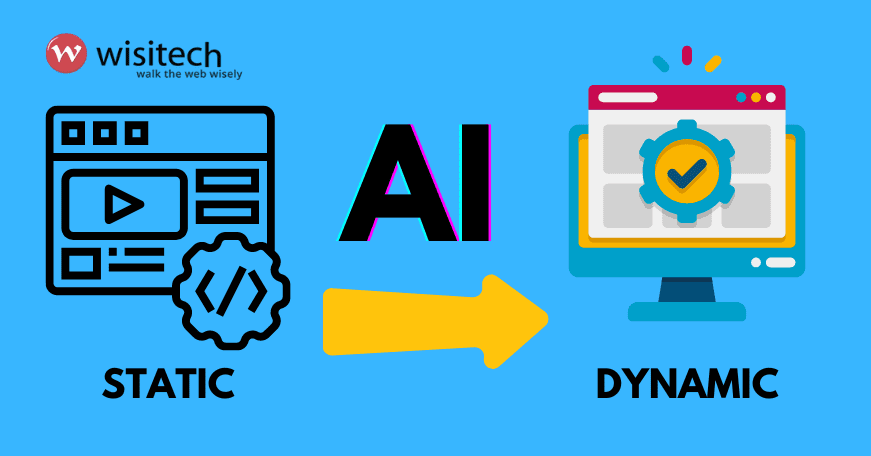
The Evolution of Website Design – From Static to Dynamic
Traditionally, websites were static, with fixed layouts and limited interactivity. Designers and developers manually crafted these websites, which were often time-consuming and labor-intensive. As user expectations grew, the need for more dynamic and interactive websites became apparent. Enter AI, bringing with it a host of tools and technologies that have revolutionized the way websites are designed and maintained.
The Role of AI in Website Design
AI in website design encompasses a range of technologies, including machine learning, natural language processing (NLP), and computer vision. These technologies enable designers to create websites that are not only visually appealing but also highly functional and user-friendly. Besides, AI has also been playing a pivotal role in other aspects such as Digital Marketing, and SEO Optimization.
How AI is Transforming Website Design
Personalized User Experiences
One of the most significant ways AI is revolutionizing website design is through personalization. AI algorithms analyze user data to understand preferences, behavior, and demographics. This information is then used to create personalized content and experiences for each user. For instance, AI can recommend products based on browsing history, customize landing pages, and even adjust the website layout to suit individual preferences.
Recent Data
In recent years, consumers have been preferring brands with personalized experiences. A 2021 research by Accenture shows that 84% of consumers are interested in personalized products. This highlights a clear trend toward personalization, with AI significantly enhancing product ideas based on customer demographics, age, gender, and more.
Automated Design and Development
AI-powered tools are streamlining the design and development process. These tools can generate design elements, layouts, and even entire websites based on predefined criteria. For example, AI design platforms like Wix ADI (Artificial Design Intelligence) and Bookmark AI use machine learning to create websites automatically, significantly reducing the time and effort required.
Recent Data
HubSpot reports that 64% of marketers are already using AI, and 38% plan to start in 2024. This trend highlights the growing adoption of AI in automating design tasks.
Enhanced User Engagement
AI-driven chatbots and virtual assistants are enhancing user engagement by providing instant support and assistance. These AI tools can handle a wide range of tasks, from answering frequently asked questions to guiding users through the purchase process. By offering real-time support, AI chatbots improve user satisfaction and increase conversion rates.
Recent Data
Springs AI has forecasted that the global chatbot market is expected to grow to $15.5 billion by 2028. An analysis by DemandSage states that businesses are expected to save $8 billion in chat support costs by 2024 due to chatbots.
Improved Accessibility
AI is also playing a crucial role in making websites more accessible to users with disabilities. AI-powered tools can automatically generate alt text for images, provide real-time captioning for videos, and adapt website interfaces to be more user-friendly for people with disabilities. This not only enhances the user experience but also ensures compliance with accessibility standards.
Recent Data
In March 2024, WebAIM conducted an accessibility evaluation of the home pages for the top 1,000,000 websites, out of which 95.9% of home pages had detected WCAG 2 (Web Content Accessibility Guidelines) failures. AI-driven accessibility tools such as Siteimprove’s website accessibility checker can help bridge this gap by making websites more inclusive.
Data-Driven Insights
AI provides valuable insights into user behavior and website performance. By analyzing vast amounts of data, AI can identify patterns and trends that inform design decisions. For example, AI can pinpoint which design elements are most effective, which pages have the highest bounce rates, and what content resonates most with users. This data-driven approach allows designers to optimize websites continually.
Recent Data
Zippia has analyzed that approximately 97.2% organizations are using big data and AI for business decisions.
The Gartner Future of Sales 2025 report reveals that By 2025, 60% of B2B sales organizations are expected to transition from experience- and intuition-based selling to data-driven selling, driven by the need for hyper-automation and digital scalability.
The reason behind this transition is that B2B buyers are increasingly preferring engaging with suppliers via digital and self-service channels, necessitating multi-experience selling.
Conclusion
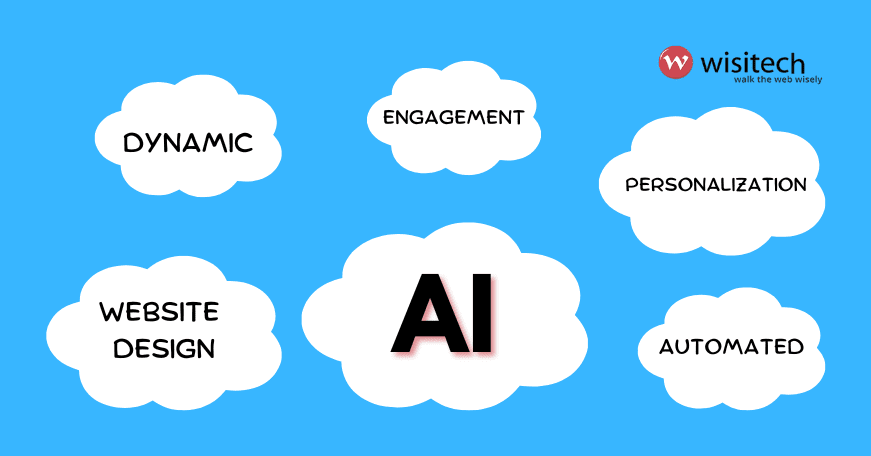
AI is undeniably revolutionizing website design, making it more dynamic, personalized, and user-centric. From automating design processes to enhancing user engagement and accessibility, AI is transforming how websites are created and experienced.
However, to utilize the true potential of AI features in web design or any other industry, human intervention is still required. AI experts can not only tailor AI elements to meet the specific design and development needs of individual websites but also ensure that these applications achieve the desired outcomes.
As AI technology continues to evolve, we can expect even more innovative solutions that will further reshape the digital landscape.
By embracing AI in website design, businesses can not only stay ahead of the curve but also deliver exceptional user experiences that drive engagement and conversions. The future of website design is here, and it is dynamic, intelligent, and ever-evolving.