
Welcome to the Wild West of Pay-Per-Click (PPC) advertising, where the stakes are high, the competition is fierce, and the rewards are abundant for those who dare to master the game! If you’ve ever felt like a gunslinger in a duel, staring down your competition while clutching your mouse, ready to draw your next big ad campaign, you’re not alone.
PPC is an exhilarating frontier of digital marketing that promises high returns for those who know how to play their cards right. Today, we’ll explore the advanced tactics that can help you not just survive but thrive in this digital battleground, maximizing both your impression share and conversions. So saddle up, partner, because it’s time to take your PPC game to the next level!
Understanding Impression Share
Impression Share is a critical metric that measures the percentage of impressions your ads receive compared to the total available impressions in your target market. It’s like knowing how many people actually noticed your billboard out of everyone who passed by. To boost your Impression Share, you need to understand the factors that influence it – ad rank, budget, and targeting.
Boosting Ad Rank
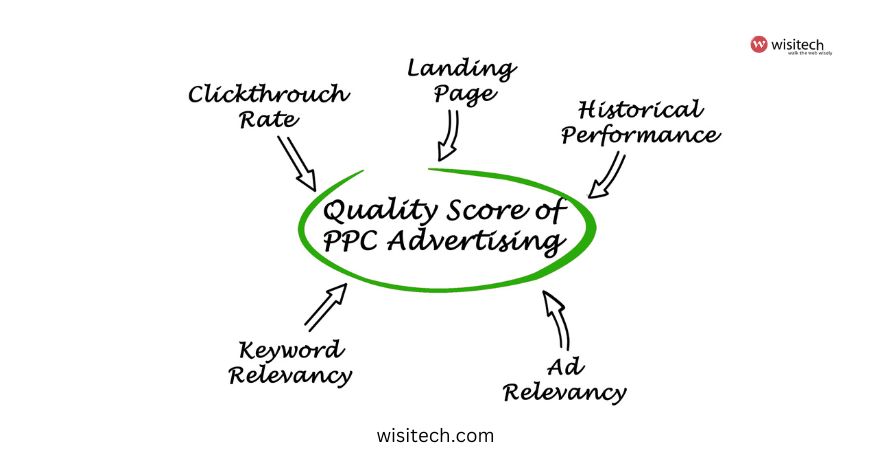
Ad rank is determined by your bid amount, ad quality, and the expected impact of ad extensions and other ad formats. Enhancing your ad rank involves:
- Improving Ad Quality – Craft compelling ad copy that resonates with your audience. Use A/B testing to identify what works best.
- Leveraging Ad Extensions – Utilize all relevant ad extensions like site links, callouts, and structured snippets to enhance your ads’ visibility.
- Bidding Strategies – Adopt advanced bidding strategies such as target impression share bidding, where you set bids to help achieve a specific impression share.
According to ReBid, Ad Rank determines an ad’s position on the search results page. Higher Ad Rank means greater visibility, more clicks, and ultimately, higher chances of conversions. It significantly impacts both ad cost and campaign performance.
Budget Management
Maximizing Impression Share isn’t just about throwing money at your campaigns; it’s about smart budget allocation. Use these strategies to optimize your budget:
- Dayparting – Allocate more budget during peak times when your audience is most active.
- Geotargeting – Focus your budget on high-performing regions.
- Bid Adjustments – Adjust bids based on device, location, and audience performance.
Additionally, an analysis by Search Engine Land suggests that you can set your campaign start and end dates, or let it run indefinitely. Add ad assets, copy, and keywords now or later. Audience targeting can also be added after the initial setup.
Advanced Targeting Techniques
To capture a larger share of impressions, precision targeting is crucial. Implement these advanced techniques:
- Custom Audiences – Use custom affinity and custom intent audiences to target users based on their interests and search behavior.
- Lookalike Audiences – Target users who resemble your best customers by leveraging lookalike audience features.
- Retargeting – Re-engage users who have interacted with your site but didn’t convert.
With PPC noise at an all-time high, mastering fundamentals like precise targeting, personalized ads, data-driven insights, streamlined campaigns, and strategic exclusions is crucial. PPC Hero states that these building blocks will empower you to navigate the complexities of advanced Google Ads management.
Conversion Rate Optimization (CRO)
Maximizing impressions is only half the battle; converting those impressions into actual leads or sales is where the real magic happens. Here’s how to boost your conversions:
Landing Page Optimization
Your landing page is where the rubber meets the road. Ensure your landing pages are optimized for conversions:
- Relevance – Ensure your landing page content matches the ad copy and user intent.
- Speed – Optimize page load times to prevent user drop-off. A study by Google shows that a one-second delay in mobile load times can impact conversion rates by up to 20%.
- Clear Call to Action (CTA) – Design prominent and compelling CTAs that guide users toward conversion.
Utilizing A/B Testing
Constantly test different elements of your campaigns to identify what drives the best results. This includes:
- Ad Copy –Test different headlines, descriptions, and CTA phrases.
- Landing Pages – Experiment with different layouts, images, and copy.
- Bidding Strategies – Test automated bidding strategies like Target CPA or Target ROAS.
Why A/B Testing is crucial? According to a detailed analysis by Optimizely, A/B testing pits two versions of an element against each other to determine which performs better. It’s a data-driven approach to optimization, helping businesses make informed decisions about design, copy, and layout. By testing isolated changes, businesses can identify what truly impacts user behavior and iteratively improve overall performance. This method is particularly effective for boosting conversion rates, reducing bounce rates, and increasing lead generation.
Leveraging Analytics and Insights
Data is your best friend in PPC. Use advanced analytics to gain insights and refine your strategies:
- Google Analytics – Set up conversion tracking and goals to monitor performance.
- Heatmaps – Use tools like Hotjar to understand user behavior on your landing pages.
- Attribution Models – Apply different attribution models to understand the true value of each touchpoint in your conversion path.
In a Nutshell
Mastering PPC is like mastering a high-stakes poker game – it’s a blend of strategy, skill, and a bit of luck. By focusing on improving your impression share through better ad rank, budget management, and advanced targeting, and then converting those impressions through CRO and data insights, you’ll be well on your way to PPC mastery. Remember, the digital marketing landscape is always evolving, so stay sharp, keep learning, and don’t be afraid to take bold steps. Happy advertising, partner!